
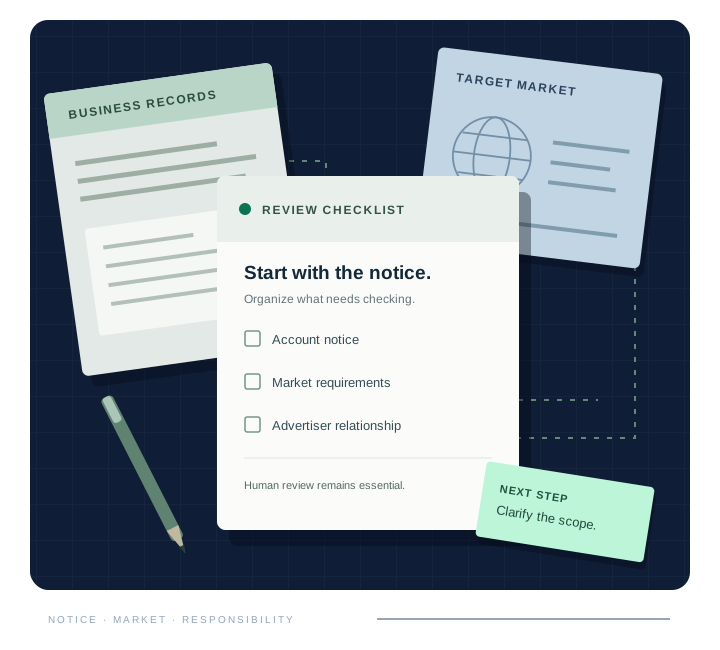
Let the stated disapproval reason guide the investigation. Verification confirms a particular check, while an ad or destination can still face a separate policy issue. Identify the affected item and cited policy before choosing whether to change content, request a review or use the applicable appeal route.
If an ad remains disapproved after verification, another application may not address the issue. The useful starting point is the reason attached to that specific ad or destination, followed by the review route that matches it.
Which item is affected, and why?
Open the policy details for the affected ad in Google Ads. Preserve the stated reason and check whether the issue concerns that ad, its landing page, a verification requirement or the wider account. This prevents a team from spending time on the destination when the actual request is elsewhere.
What needs to change in the actual customer journey?
Compare the cited policy with the ad and the page customers reach. If a correction is required, make it where the issue occurs and record what changed. A general rewrite is not a substitute for understanding the notice. Keep the explanation specific enough for another team member to review.
Which review route fits this case?
Google provides review and appeal options for disapproved ads. Follow the instructions that apply to the affected item. If you believe the decision is incorrect, explain the disagreement with relevant evidence. Repeating the same unsupported request does not explain what changed or why a different decision is warranted.
An account suspension is different from an individual ad disapproval and requires its own applicable process. Do not create replacement accounts or hide the destination to work around enforcement. Resolve the underlying issue through the appropriate channel.
How to organize your team’s next step
Keep the original notice alongside a record of any changes to the ad or destination. Assign one owner to the response so your team can explain what was corrected and why. An organized change record is more useful than repeatedly sending the same unsupported appeal.
Put the findings to work
AI Gaur can review the notice and selected landing pages to help your team prioritize corrections. A standard readiness audit does not include appeals or reinstatement. Share the notice type and website first so the scope reflects the issue you actually face.